


Chronic prostatitis is a long-term inflammatory process localized in the tissue of the prostate gland, which leads to disruption of its functional activity.This disease spreads among men.If left untreated, it can cause secondary inflammation in other organs of the genitourinary system, the development of erectile dysfunction and infertility.In this article we will look at chronic prostatitis in men from the point of view of symptoms and treatment.
Clinical picture of chronic prostatitis
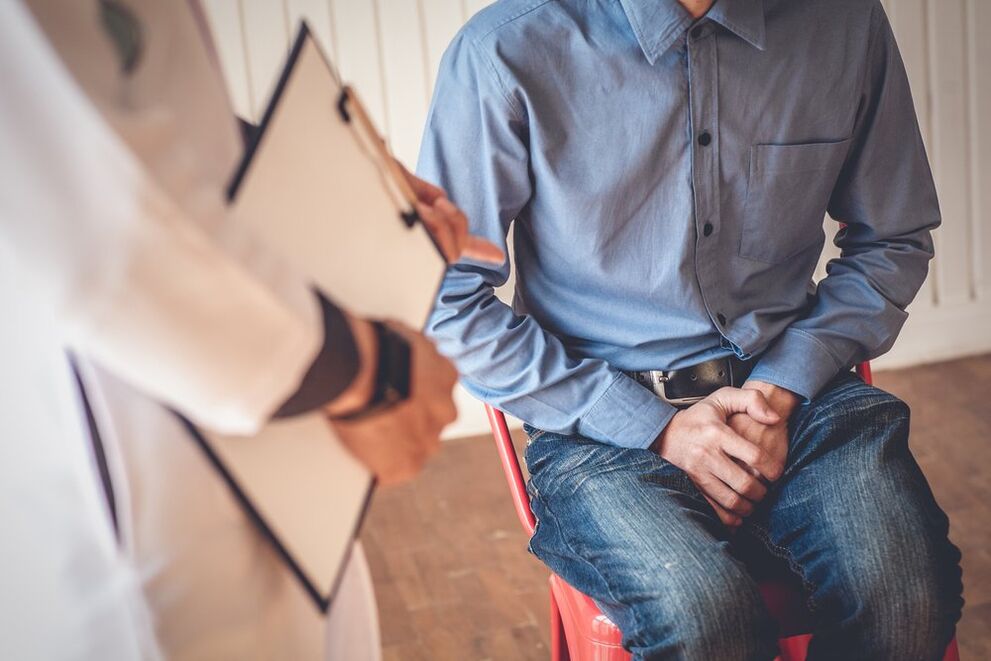
The main symptom of chronic prostatitis is constant pain.The pain syndrome is localized in the perineum, groin and suprapubic area.It increases at the beginning and end of micturition, during and after ejaculation, and with a long absence of sexual intercourse.The intensity of pain varies for each individual patient.Some men show moderate discomfort, others report quite severe pain.
Another characteristic symptom is an increased urge to urinate.A sick man shows that the urge to urinate becomes more frequent.In this case, the process of urination itself is accompanied by pain.The patient needs to make an effort to initiate action.The flow of urine becomes weaker and intermittent, and there is a constant feeling of incomplete emptying of the bladder.
Chronic inflammation of the prostate gland is often accompanied by sexual dysfunction.Patients with this disease may report weak erections, premature ejaculation, decreased libido, frequent erections at night, etc.All this has a very negative effect on the psychological state of a man.
During the period of exacerbation, the clinical picture is complemented by a violation of the general condition.Symptoms such as weakness and decreased performance, loss of appetite, and a slight increase in body temperature may occur.
Principles of chronic prostatitis treatment
First of all, for chronic prostatitis, antibacterial drugs are prescribed, selected based on the sensitivity of the pathogen.A course of antibiotic therapy for at least two weeks.
Pain can be relieved with non-steroidal anti-inflammatory drugs.Taking alpha blockers will help restore urodynamics.
It should be noted that any medicine can only be used as prescribed by a doctor.
For chronic inflammation, one of the main points of treatment is prostate massage.However, it is strictly prohibited in the acute inflammatory process.
In addition, various physiotherapeutic methods, for example, magnetic therapy or electrophoresis, have proven themselves well in the treatment of chronic prostatitis.
If any complications develop, the issue of surgical intervention, for example, transurethral resection of the prostate, can be considered.